Exclusive
Women's Health & Fertility Chinese Medicine and Acupuncture care in Richmond
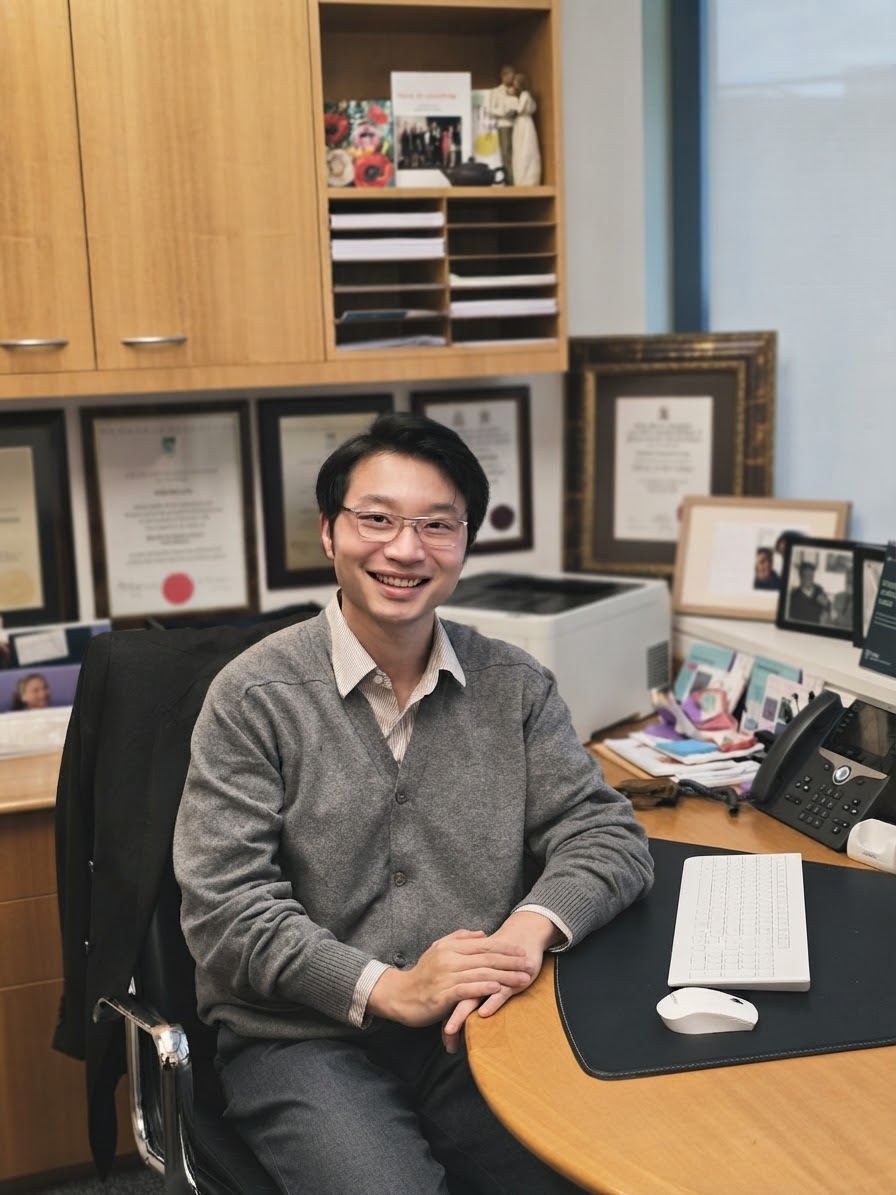
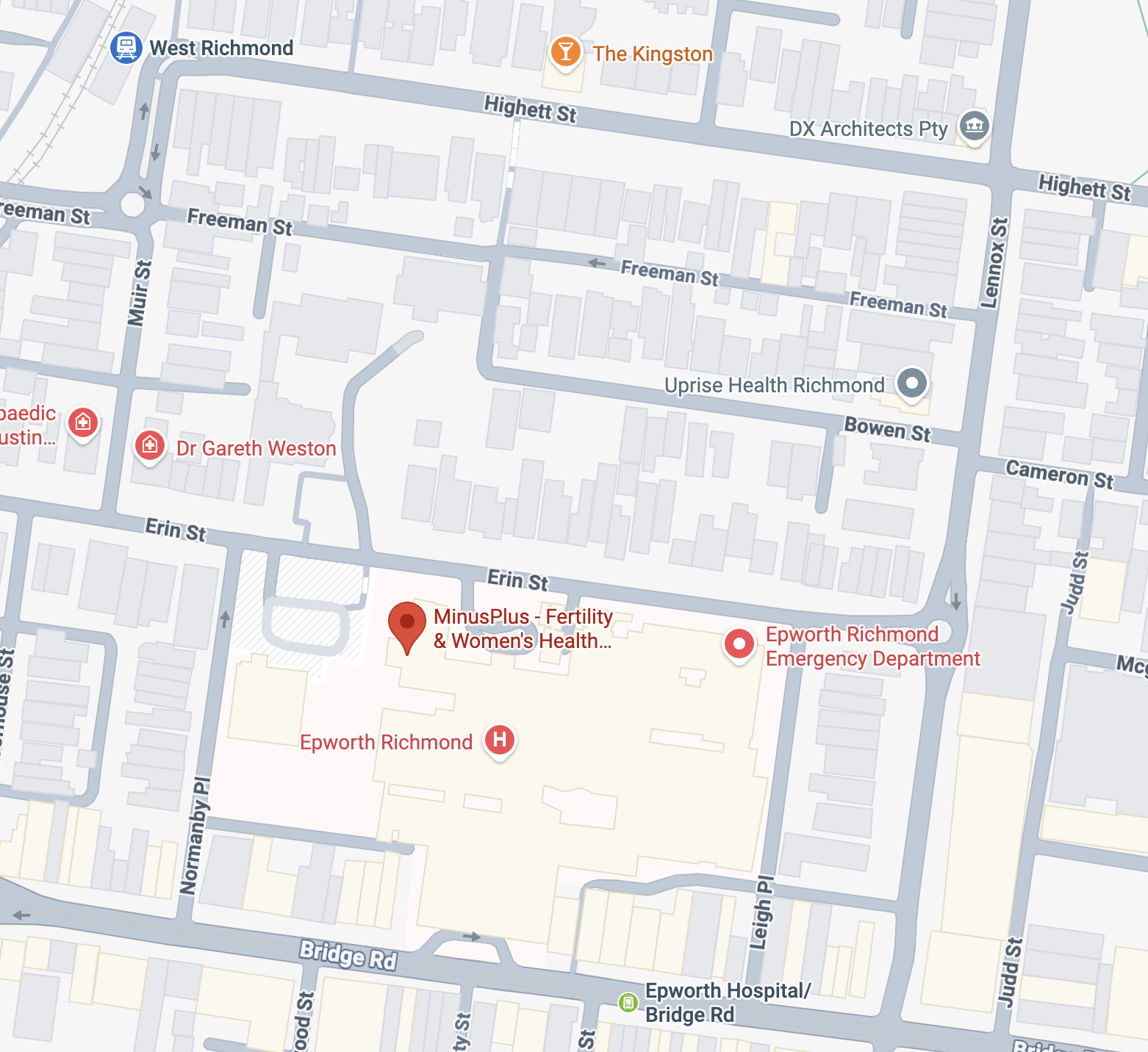
Richmond is new. The practice isn't. Kejia Chen is third-generation — a family in China that has specialised in Chinese medicine gynaecology for over 100 years — with 10 years in Australia, and a South Morang clinic where excellent reputation has been built. Our clinic is inside Epworth consulting suite, alongside the gynaecologists and fertility clinicians treating the same women.
Where are you, right now?

Preconception & Fertility
"My GP said I've got time. I'm 38. IVF is the only way, but I want to try something nature beforehand."
Period & Hormonal Health
"I don't want to be on the pill for the next fifteen years."
”I'm 46 and I don't feel myself.“

IVF & ART Support
"My egg/sperm quality is low, I didn't response well to the IVF treatments."

Pregnancy Care
"My OB said I need to do C-section if nothing happend by next Monday, but I really don't want to do."
Why we build this clinic exclusively in Women's Health & Fertility?
Partly depth — a general acupuncture clinic might see two women with fertility issues in a year; with us it's every week, and it has been for 10 .
Mostly this: difficulty conceiving is seldom the first thing that went wrong, only the loudest. The irregular cycles, the pain that got called normal, the years of exhaustion — those came first, often by a decade. Fertility medicine is very good at the outcome it was built for, and we'd never ask you to trade it for what we do. But far less attention goes to what led there, and what led there is still there afterwards.
We work on that part. Not instead of your fertility clinic — underneath it.
10+ Years of Experience
11 years in practice in Australia, working almost entirely in women's health and fertility. A general Chinese medicine clinic might see two women with endometriosis in a year. Here it is every week, and has been for 11 years.
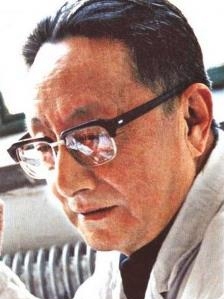
3 Generations' Wisdom of Gastrology & Gynecology
Our practitioner, Kejia Chen, is the third generation of his family to practise Chinese medicine. His grandfather was nationally renowned Chinese medicine specialist in China, his aunt practised in the same fields for over 40 years. Between them, over 100 years in these two areas of medicine, most of it written down.
.jpg)
Narrow nough to Keep Up
A general clinic covers twenty conditions and can't seriously follow the research on any of them. We follow two — in English and in Chinese, where most of the current work in these fields is published and never translated. So we are able to provide more comprehensive care in these fields.
Seamlessly work with Doctors,
not against.
No referral needed
Schedule around your cycle
Treatment plan to support your current treatment
Do interfere with your medical treatment
What the research actually says

Acupuncture can act as a natural pain reliever. It helps reduce inflammation and relaxes uterine cramping without the side effects of strong pain medications.
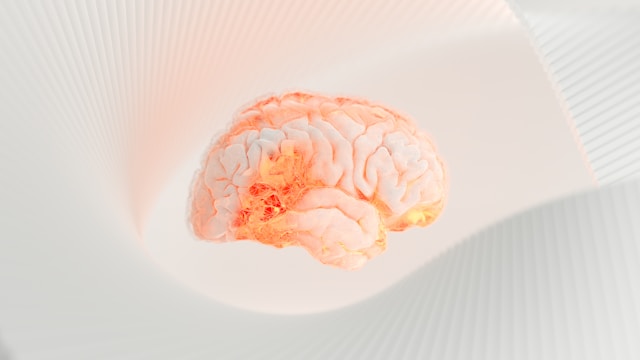
Calm the nervous system, release natural "feel-good" chemicals like endorphins, and help you feel more relaxed during your treatments.

Acupuncture & Chinese herbal medicine can help build the blood vessels, increasing blood circulation to your organs.
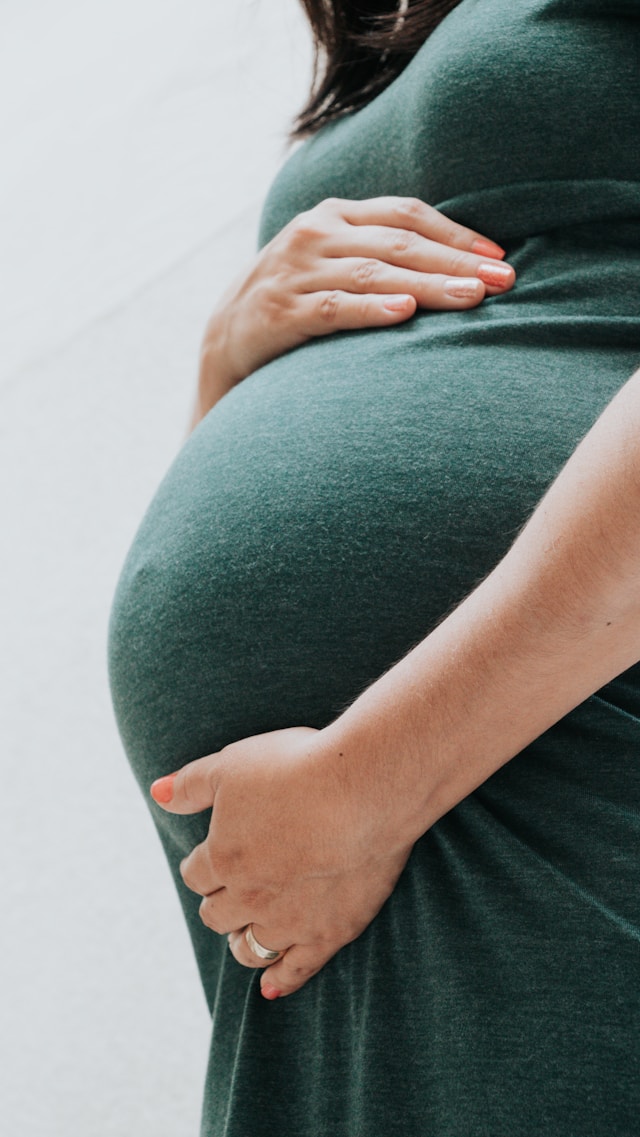
For women trying to conceive naturally, herbs can help restore regular ovulation, improve the quality of cervical mucus, and create a more balanced internal environment.
Communicating with the brain's hormone center, Chinese medicine treatment can help regulate your menstrual cycle and encourage healthy ovulation.
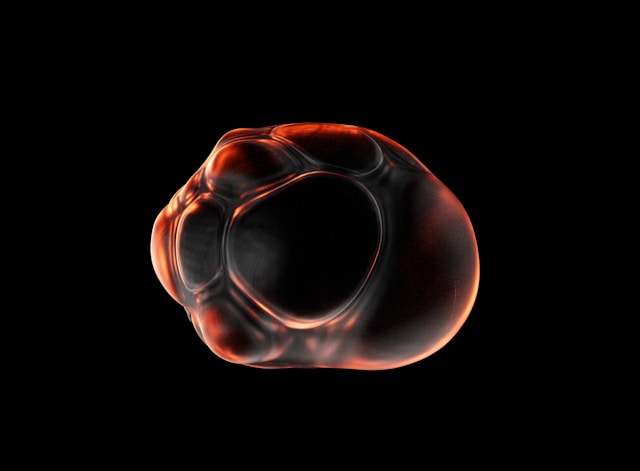
Herbal medicines may help protect the ovaries from oxidative stress, potentially leading to better quality eggs and stronger embryos.
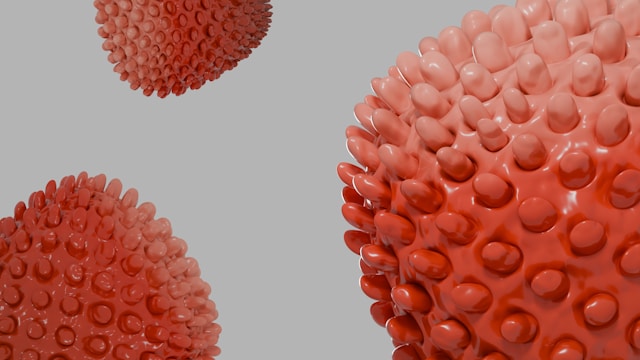
Specific herbs can help reduce the inflammation and immune system overactivity associated with endometriosis, helping to manage the condition over time.
The final product was a true reflection of our brand's vision.
How long this takes, and how you'll know it isn't working
Week 0 — Initial consultation
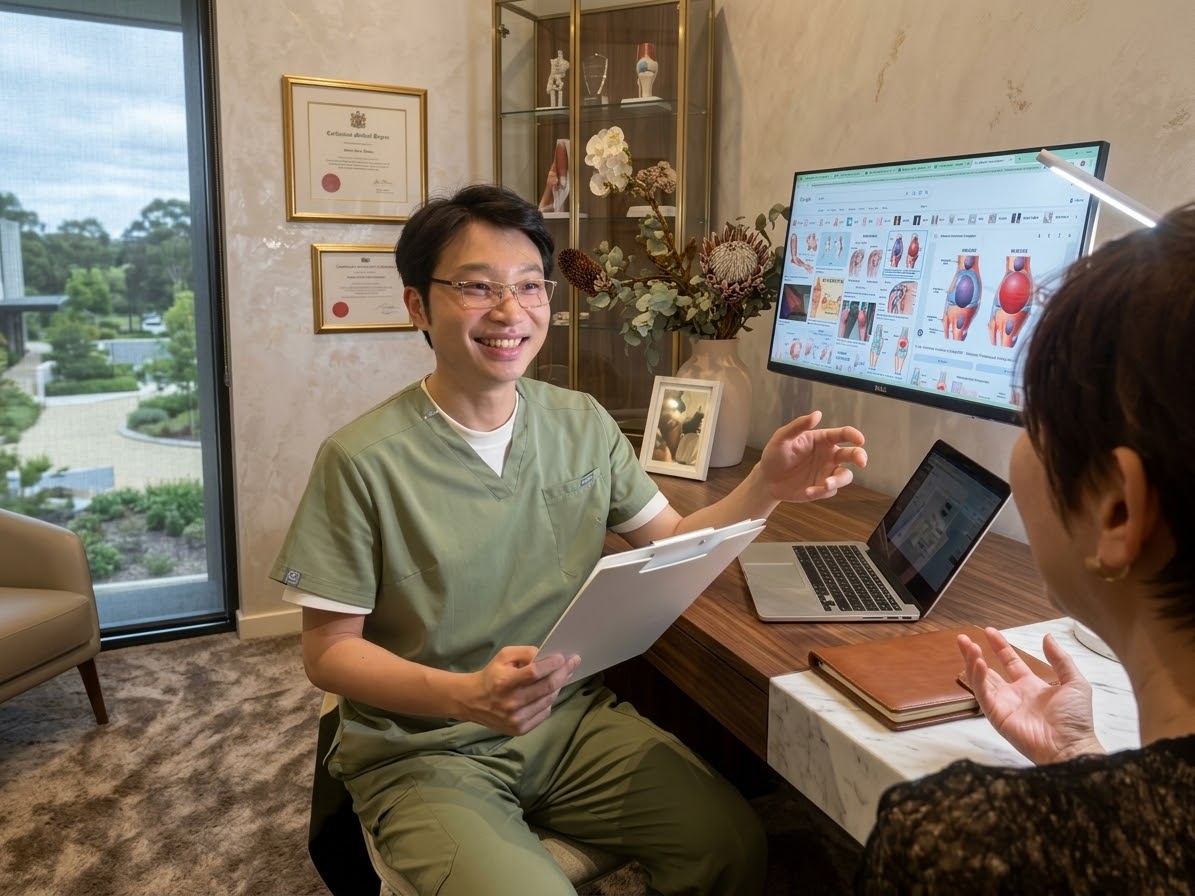
We take a history wide enough to be useful: cycle, sleep, digestion, energy, temperature, mood, and what your body was doing a decade before any of this became a gynaecological or fertility problem. It is rarely local. It usually sits at the end of something long.
Then the part most people say they've never had. We tell you what we think is going on, twice — once in the Chinese medicine framework we work in, and once in physiological terms, so that it connects to the results and diagnoses you already have rather than sitting in a separate category in your head.
You leave with a treatment plan built from that assessment and a review date.
Weeks 0–12 — Treatment
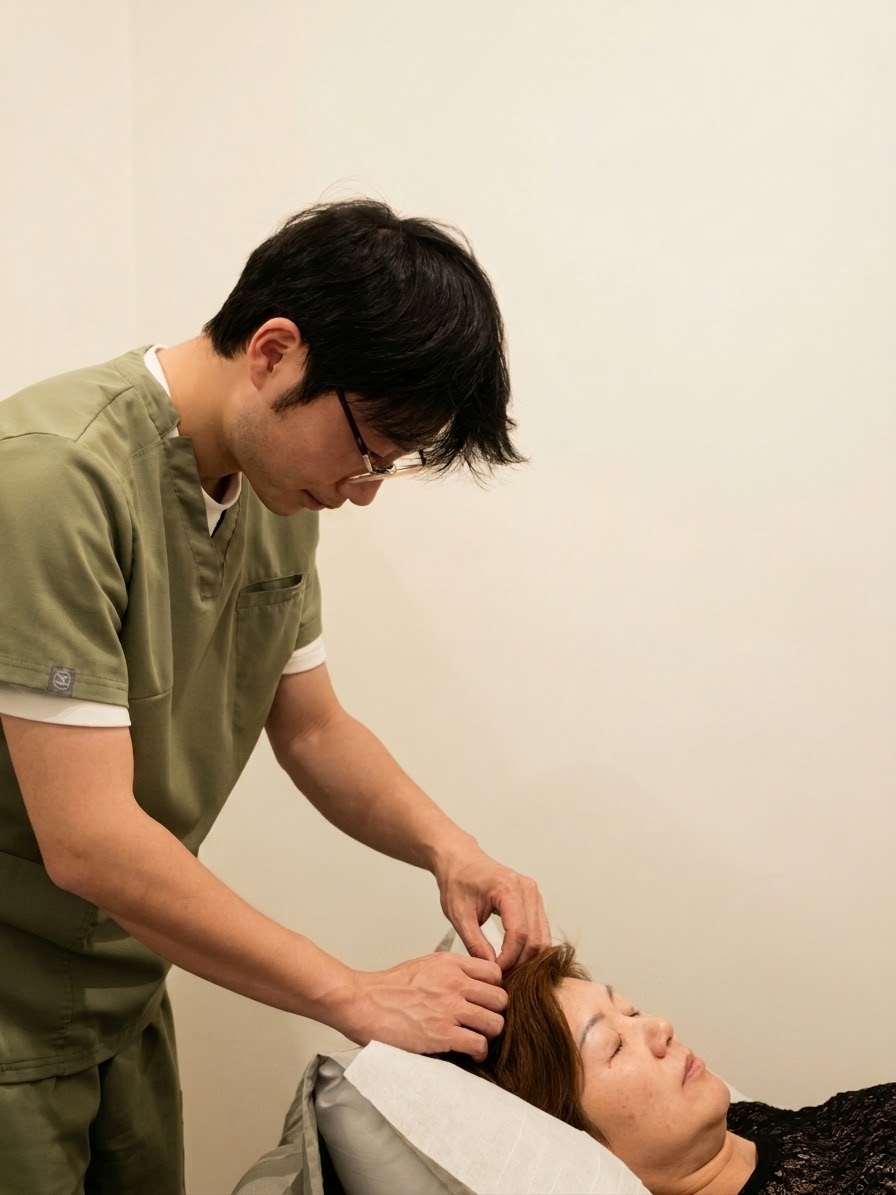
A course usually runs two to three menstrual cycles — long enough for a pattern to show, short enough that nothing here is open-ended.
Acupuncture once or twice a week, more often around ovulation or a transfer.
Herbs, if prescribed, twice daily — dispensed as granules you stir into hot water, so there's no simmering and nothing to explain at work. The prescription changes as your cycle moves.
Along the way we book shorter review consultations to see what's shifting and adjust while it still matters. We'd rather find out in week four than week twelve.
Weeks 12 — The review
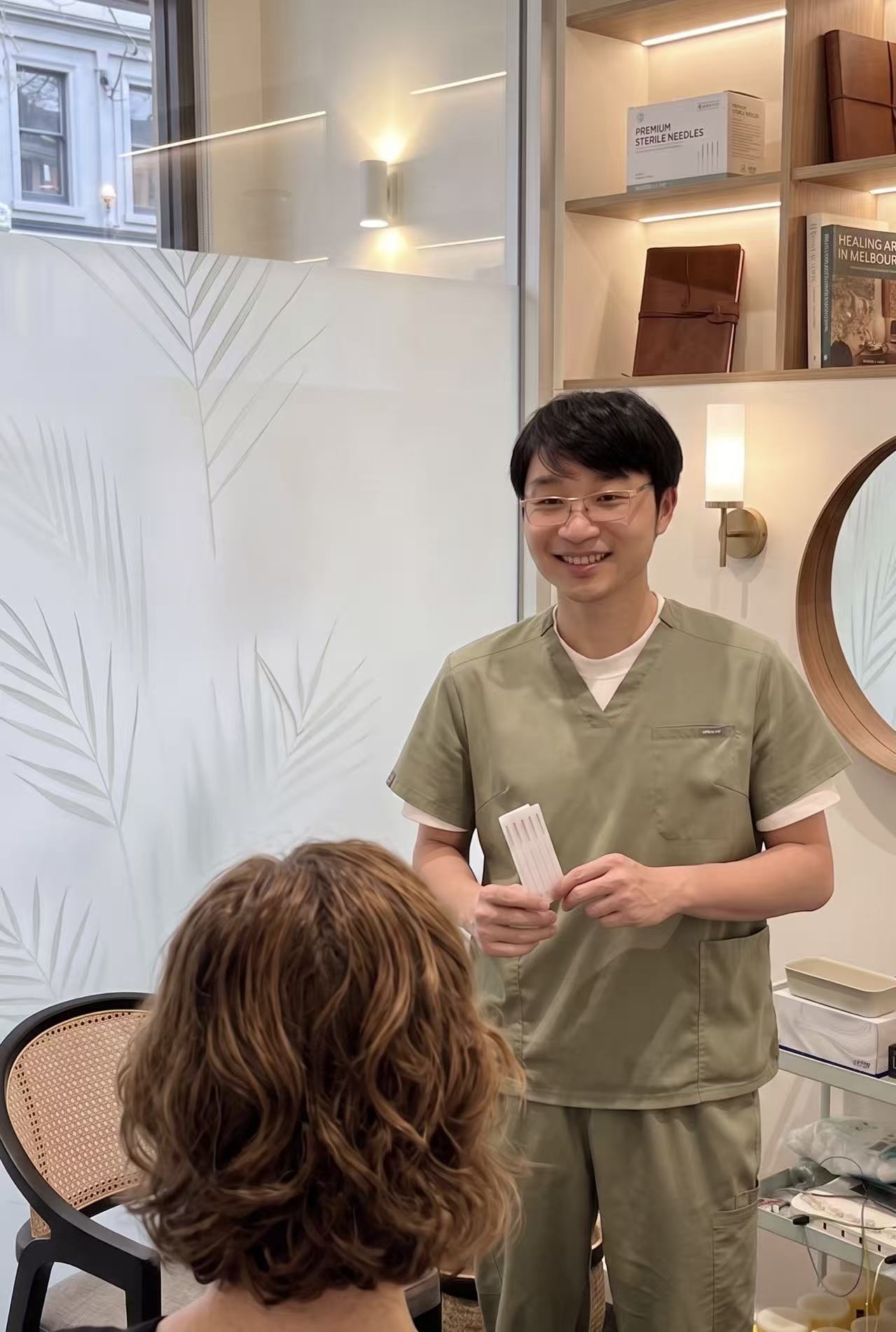
Not "how are you feeling?" — a comparison against what we wrote down on day one.
If things have improved, the next question is whether you still need us. We start reducing treatment — spacing appointments out, stepping herbs down — and we watch what your body does without the support. If it holds on its own, we stop. That's the outcome we're aiming at, and it's not a version of care you get to by seeing someone indefinitely.
If things have improved but not enough, some cases need a second course. Complex, long-standing problems often do. We'll tell you that plainly, with a reason and a new review date — not an open-ended invitation to keep coming.
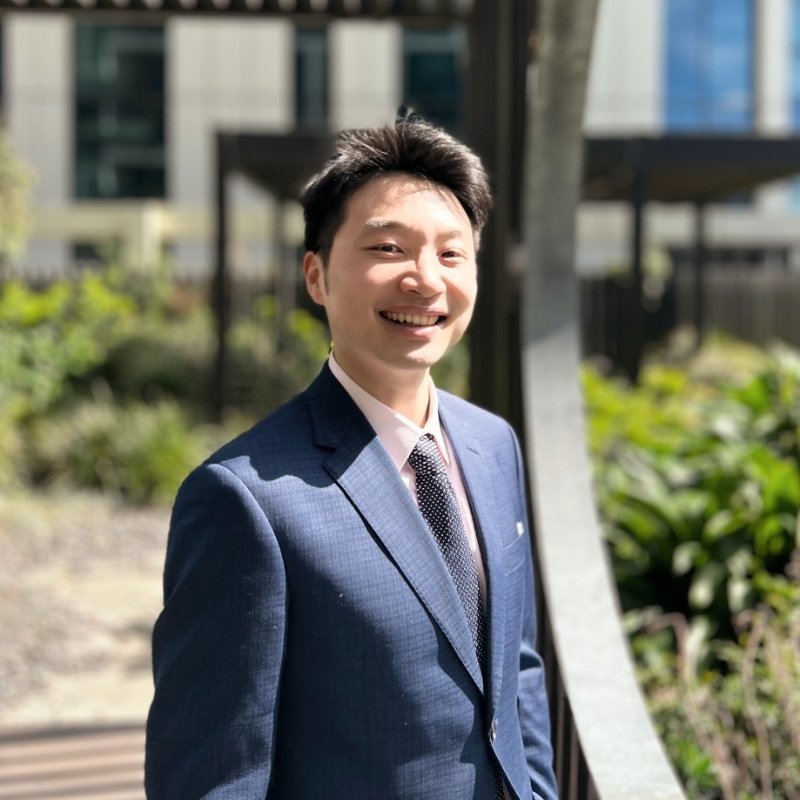
Most people have to choose between a practitioner who has the experience and one who can explain it. He's both.
MinusPlus - Fertility & Women's Health Chinese Medicine Clinic
The Epworth Centre,
Level 8, Suite 8/32 Erin St, Richmond VIC 3121
Mondays & Fridays: 1pm - 6pm
Free 2hrs street parking on Lennox St, Highett St.
We accept all major health funds